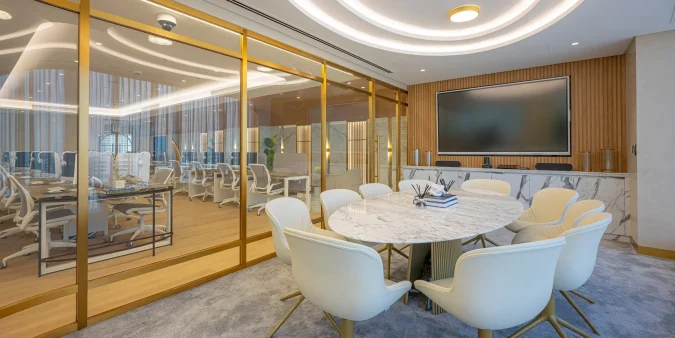
Office upgrades follow different directions based on style, function, and budget. Picking the right material adds to how long fittings last and how they perform each day.
Given here are certain simple points that help in selecting materials for interior office fit out work, keeping in mind use, condition, and how each part is handled.
Check the use level of each area:
Some areas have more foot traffic, while others stay quiet through the day. Meeting rooms, corridors, and entrance zones often entail strong and easy-to-clean surfaces. For lighter use, a softer material may still do well. Look at how often a section is in use before picking anything.
Match finishes with the use of light:
The way natural or installed light hits a surface changes how it looks. Glossy surfaces show more marks, while matte tones hide wear. Lighter shades can brighten areas with no windows. Choose materials that reflect or absorb light based on what the site already has.
Look at ease of upkeep:
It is helpful to choose materials that are simple to clean and want less upkeep. Laminate boards, vinyl flooring, and coated wood often allow fast cleaning. This helps keep the area neat without long delays or special tools. Avoid materials that stain or chip quickly in open-use areas.
Check the fit with furniture and fittings:
Materials should support the rest of the interior, including desks, panels, doors, or shelves. A mismatch can break the flow. Wood tones often match with many finishes. Glass and metal are often used for modern workspaces, while soft panels are better for acoustic areas.
Review safety and basic rules:
Some areas may have specific safety or fitting guidelines. This can affect which items are allowed, such as fire-rated panels, non-slip flooring, or soundproof materials. Always check the basic requirements of the building or industry and choose accordingly.
Think long-term instead of trends:
While trends shift often, basic tones and textures last longer. Neutral boards, stone-like finishes, or basic greys and whites tend to stay fresh over time. Avoid overly bold materials in areas that are hard to update. Save such items for wall panels or minor fittings.

Recent Comments